

Tuscany, Italy
Barco Reale 2020 (Half), DOC Tenuta di Capezzana
Tenuta di CapezzanaS$102
Complimentary delivery on orders over SGD 100 · Hand-picked French & Italian wines, chosen by The Wine Monk since 2014
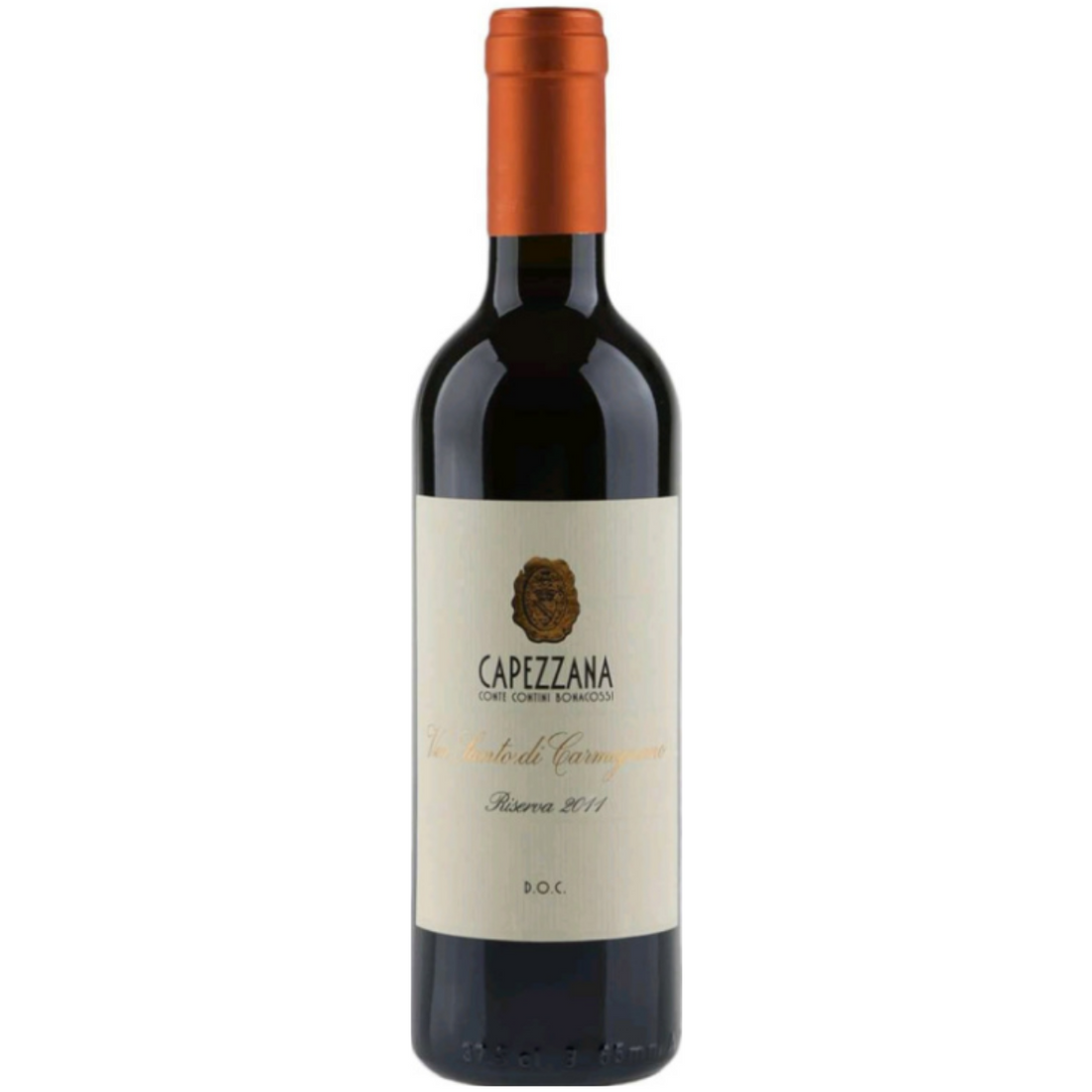
Tenuta di Capezzana · Carmignano
In stock and ready to ship
Questions about this bottle? WhatsApp Email us
There are dessert wines, and there's the Vin Santo. And there are Vin Santos and there's the Vin Santo from Capezzana. Having been rated as the best dessert wine in the world, to say this is an absolute star is still not doing full justice for the praise it deserves. Vin Santo is a fruit of incredible labor and love. The grapes are put to dry according to natural methods from the moment of the vintage until the following February. The vinification takes place in small chestnut and cherry casks. The wine is then allowed to rest for 5 yrs in small casks and then a further 3 months in the bottle before being released.
2013 Vintage
"A concentrated mouthful of caramel, almond, chocolate, molasses and orange peel mark this dessert white, which packs a punch along with its sweetness. Bracing acidity and a walnut skin bitterness offset the viscosity and sugar deftly, allowing this to play out gracefully on the finish. Trebbiano and San Colombano. Drink now through 2040. 220 cases made, 31 cases imported." 97/100 Bruce Sanderson, Wine Spectator Dec 31, 2021


